
As climate action becomes embedded in Australia’s financial system, a major opportunity is emerging to use the same reporting frameworks, investment structures and capital flows to drive investment in nature.
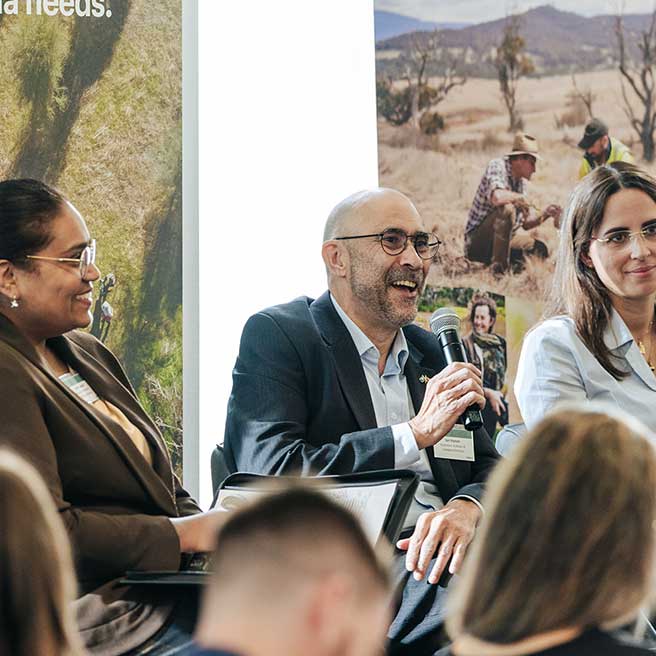
This was the focus of ALCA’s 2026 Conservation Finance Intensive, which brought together 150 leaders from conservation, business, First Nations, government, and philanthropy under a shared theme: leveraging climate for nature.
Climate and nature are deeply interconnected and must be advanced as one agenda. Currently, nature is still often overlooked in reporting, disclosure and investment frameworks, but encouragingly, organisations are increasingly finding ways to use climate-driven systems and capital to deliver nature-positive outcomes.
Climate disclosure as a gateway to nature
Australia’s newly mandated climate disclosure requirements are helping corporate leaders translate climate into financial risks, opportunities, and budgets, and shape net-zero pathways, board decisions and capital allocation. Some businesses are extending this or similar frameworks, such as the TNFD, to nature. However, this remains the exception rather than the norm, and for most of corporate Australia, nature-related risks are poorly understood, with minimal action and little integration into strategy or investment decisions.
Brambles described how TNFD has provided a practical framework to guide its nature strategy and investor engagement. Featured in the Australian Institute of Company Directors’ Nature in the Boardroom guide, the company is using nature-positive targets and regenerative supply chain initiatives to move beyond reducing harm towards restoring ecosystems.
EY highlighted growing interest from businesses seeking to better understand climate and nature-related risks and opportunities together. However, progress remains constrained by the absence of clear and consistent reporting expectations. While the International Sustainability Standards Board’s decision to introduce nature through a voluntary practice statement is a positive step, continued uncertainty risks slowing investor confidence and action.
The Australian Institute of Company Directors encouraged boards to view environmental disclosure as more than a compliance exercise. Collectively, these examples point to a broader shift: climate disclosure is becoming a gateway to nature, helping organisations build the governance, systems and accountability needed to drive nature-positive outcomes.
Investment frameworks enabling nature-positive agriculture
Australia’s Sustainable Finance Taxonomy is helping create a common framework for directing investment towards credible climate and nature outcomes. By providing investors and lenders with greater clarity on what constitutes a sustainable activity, it has the potential to unlock new capital for nature-positive agriculture.
Pastoral Partners Australia demonstrated how carbon and biodiversity outcomes can be integrated with productive farming systems. Through carbon projects on pastoral properties and the addition of verified biodiversity metrics using Accounting for Nature, the business is attracting investor interest while delivering financial returns, improved resilience and positive environmental outcomes.
Bush Heritage Australia highlighted both the complexity and importance of working within agricultural landscapes, particularly livestock systems that dominate much of Australia's land use. Its partnership with Pastoral Partners Australia demonstrates how conservation and agricultural organisations can work together to deliver outcomes that meet both investor expectations and nature objectives.
NAB welcomed the Taxonomy as an important step towards creating a consistent sustainability standard for agriculture. By providing a government-backed framework aligned with market expectations, it gives financial institutions greater confidence to develop lending products and incentives that support sustainable land management.
Together, these examples demonstrate how common investment frameworks can help translate nature-positive agriculture from a conservation aspiration into an investable proposition.
Climate capital to advance nature
A growing range of financial mechanisms, including carbon markets, sustainability-linked loans and blended finance, are demonstrating how capital originally mobilised for climate outcomes can also support nature.
The North Australian Indigenous Land and Sea Management Alliance (NAILSMA) highlighted how ACCU projects deliver benefits for climate, nature and First Nations communities. The success of savanna fire management projects illustrates the scale of opportunity that can emerge when environmental stewardship is appropriately recognised and rewarded.
AirTrunk demonstrated how sustainable finance can create new funding pathways for environmental outcomes. Through refinancing via a sustainability-linked loan, the company has directed savings into a social impact fund that includes a focus on nature, while integrating climate and nature considerations within its broader reporting and risk management approach.
Silva Capital provided insight into the opportunities and challenges facing Australia's emerging Nature Repair Market. While the market remains reliant on demand generated through the ACCU Scheme, the experience highlights the importance of developing stronger demand signals and supply chain engagement to attract long-term investment in nature.
Together, these examples show that climate capital is already beginning to flow towards nature.
In summary...
Many of the tools needed to scale investment in nature already exist. Climate reporting frameworks, sustainable finance taxonomies, carbon markets and innovative finance mechanisms are starting to open real pathways for nature too.
Now, we need a more deliberate effort to extend what’s already working, so that climate action and nature recovery are pursued together. If Australia gets this right, the transition to a net-zero economy could also become a catalyst to help restore the natural systems we depend on.
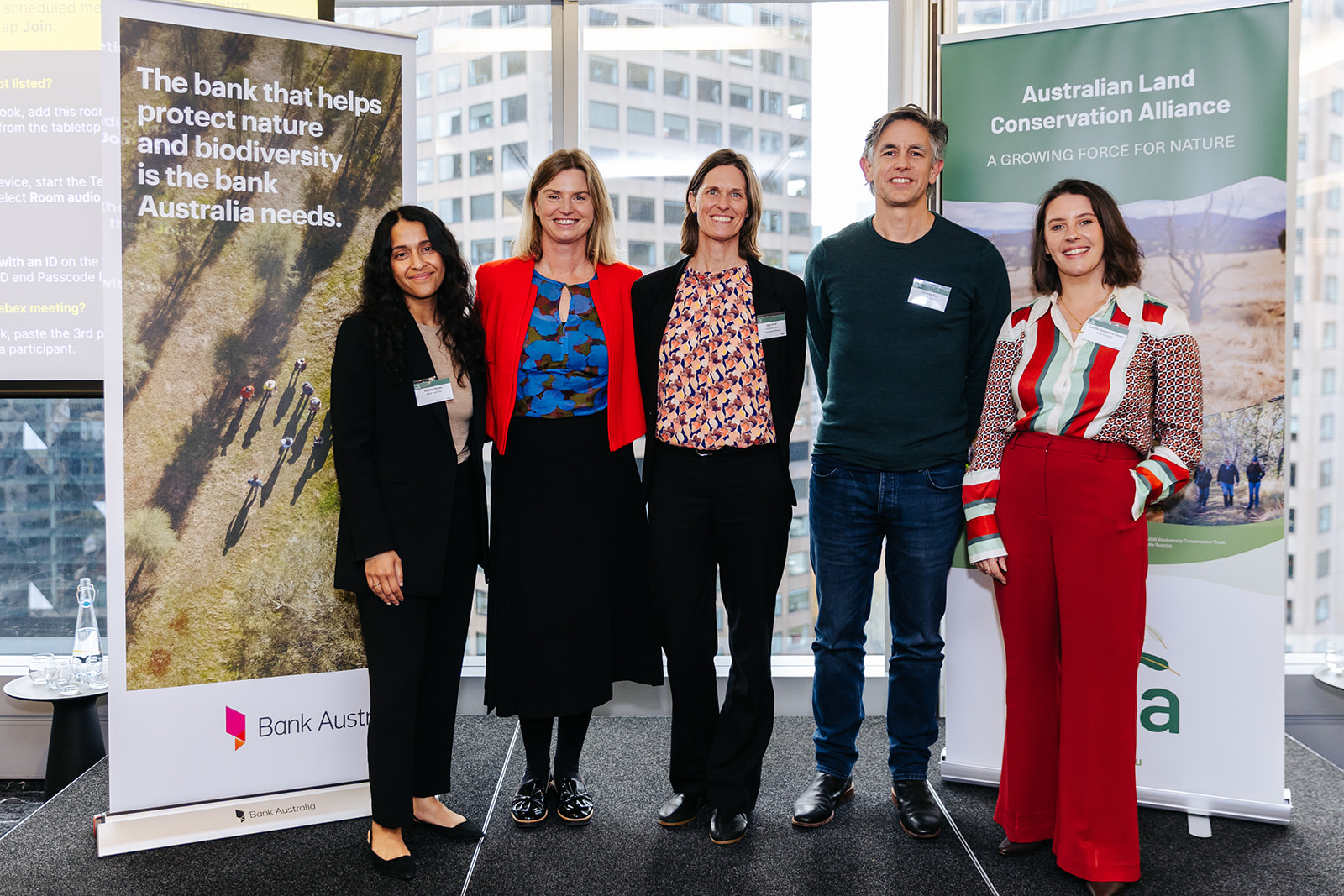
This event was made possible thanks to our Conservation Finance Network sponsor Bank Australia.
.jpg)