Private protected areas are vital to halting Australia’s biodiversity crisis, but stronger legal protections are needed to unlock investment and ensure conservation land is permanently protected from mining and logging.
Private protected areas have been an important environmental policy objective for Australia for decades and have helped our country build the world’s largest network of privately owned conservation areas. Unfortunately though, these protections don’t exclude all activities that are incompatible with conservation, such as mining or state timber harvesting.
The primary mechanism to permanently protect private land is called different things in different states and territories: conservation covenant, nature refuge, biodiversity stewardship agreement, and heritage agreement, to name but a few. Sometimes they cover all of a given property, but more often only part of a property. There are over 6,000 private protected areas across Australia.
The agreements are voluntary, with landowners committing to stewarding and conserving the land to protect its environmental values in perpetuity. This binds current and future landowners to uphold specific conservation objectives, providing a critical public good - sustaining our unique biodiversity for current and future generations of Australians.
Beyond this, private protected areas contribute to making sure protected areas for conservation include the full range of ecosystems and protect enough of them that they can remain viable. Think of them as important pieces of a bigger puzzle, where taking good care of each piece is equally critical to keep the whole picture safe.
Private protected areas will be necessary for Australia to meet its commitment to protect and conserve 30% of Australia’s land by 2030. This is widely considered the absolute minimum needed if we are to have any hope of halting and reversing the accelerating nature crisis. To meet this target on land, Australia will need to protect an additional 60 million hectares - three times the size of Victoria. It’s an ambitious goal, but it is achievable, provided there are no disincentives that create unnecessary barriers for landholders to contribute their pieces to that bigger puzzle.
Extractive activities like mining not only threaten the cultural and natural integrity of protected areas (see: https://www.abc.net.au/news/2023-08-22/wangkamadla-launch-special-wildlife-reserve-bid-stop-mining/102741894), they also mean conservation covenants often don’t meet the level of protection required for some philanthropic foundations and major private donors to invest. Just as in financial markets, international investors and donors seek opportunities that secure their objectives while minimising risk.
Special Wildlife Reserve legislation was passed in Queensland in 2019. Prior to this, no conservation covenant in Australia provided complete protection from destructive land uses like logging and mining. As recently as a decade ago, around 40% of Queensland’s nature refuges had mineral exploration permits within their boundaries (https://theconversation.com/mining-is-digging-the-heart-out-of-conservation-covenants-6588), and today hundreds are still potentially threatened by mining interests.
For example, the 8,000-hectare Bimblebox Nature Reserve in central Queensland is one of the largest tracts of intact woodland in the state and home to hundreds of bird and animal species, many of which are rare or endangered. It is also an exceptional example of how sustainable agriculture and conservation can co‑exist. Under the Galilee Coal Project proposal from Waratah Coal Pty Ltd, roughly half of the reserve would have undergone large‑scale clearing for two open‑cut coal pits, if not for a long but ultimately successful legal battle led by the Environmental Defenders Office.
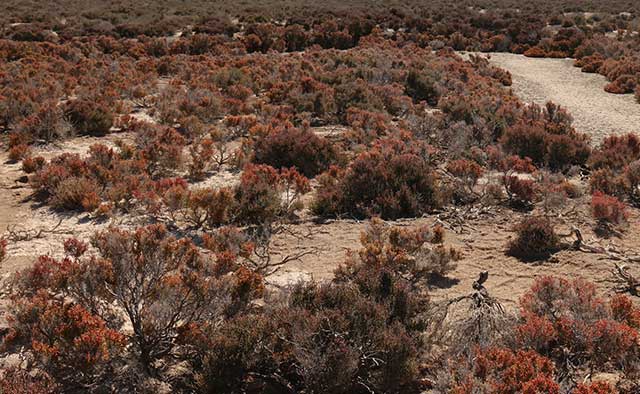
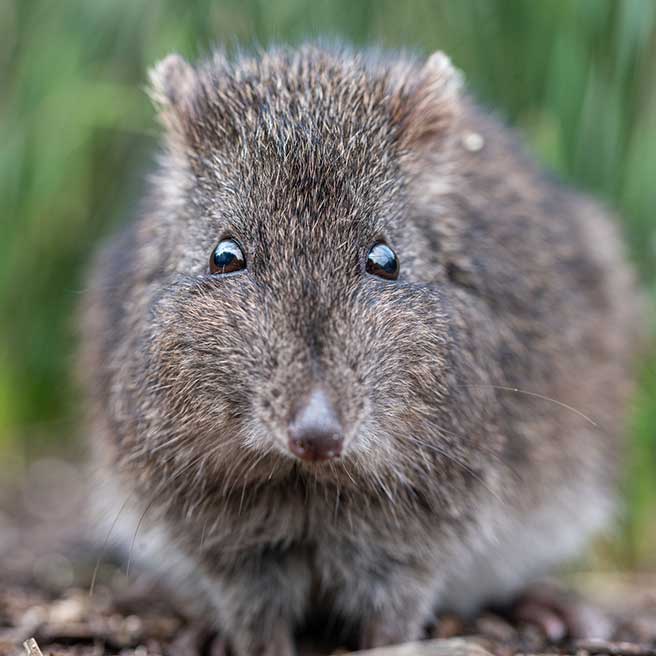
The good news is that following Bush Heritage Australia’s Pullen Pullen Reserve being declared a Special Wildlife Reserve in 2020, five additional declarations are now in progress. These include Bush Heritage Australia’s Pilungah and Ethabuka reserves, which together have 20 active mining applications or leases. If actioned, the mining impacts would be significant, affecting species and ecosystems unique to the reserves as well as the exceptional cultural values of the Wangkamadla Traditional Owners.
If granted Special Wildlife Reserve status, these reserves will be protected in perpetuity from mining and timber harvesting. This would provide crucial peace of mind for Bush Heritage Australia and its supporters, ensuring funds raised can be spent on conservation and cultural stewardship rather than contesting mining applications.
Increasing the number of Special Wildlife Reserves in Queensland — and adding enhanced‑protection conservation covenants to the suite of conservation investment tools across all states and territories — will attract larger‑scale private conservation investment and maximise the social, economic, and environmental benefits delivered by the private land conservation sector for all Australians.