Queensland is the only state in Australia still levying land tax on properties that are legally protected for conservation - a policy landholders say punishes people looking after nature.
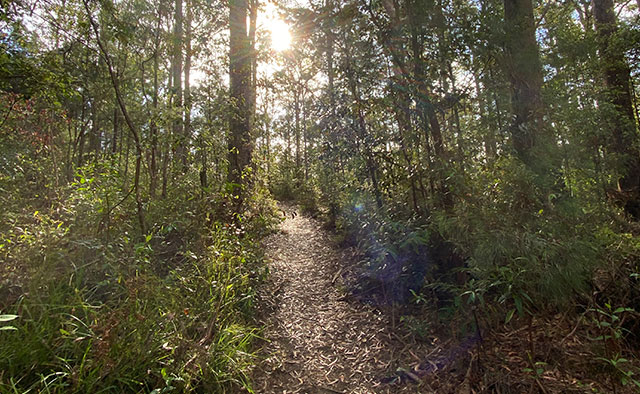
In the Currumbin Valley, Jan Allen has devoted 40 acres to conservation, with 85 per cent already under a voluntary covenant with the council, and she is now applying for nature refuge status with the state. Once cleared for bananas in the 1970s, her property is part of a koala corridor that connects to a World Heritage Area and provides habitat for endangered species like the southern pink underwing moth and native guava.
"Beyond the greater good, there’s no tangible benefit for us. This is my legacy, but if you’re paying a mortgage or raising kids, how do you afford conservation work?
The Queensland Government talks about expanding its protected areas, but right now it’s people like us carrying the load, and being taxed for it,” she said.
Karen Longhurst manages a 130 acre property, also in the Carrumbin Valley, and has spent the past three years restoring habitat, reconnecting rainforest remnants, and improving the outlook for the species that rely on it. She wants to permanently protect the property’s natural values but says land tax concerns are making the decision difficult.
"My property provides critical habitat for a range of species, like the Lamington crayfish, platypus, the endangered southern pink underwing moth, and critically endangered scrub turpentine and vulnerable red bopple nut trees.
When landholders choose to permanently protect nature with a nature refuge they’re creating a public benefit that lasts for generations. The problem is that it doesn’t feel like the Queensland Government recognises those contributions.
The ongoing cost of land tax is the single most significant barrier to private landholders proceeding with a conservation covenant or nature refuge.”
Gold Coast resident Ceris Ash has spent decades restoring her hinterland property, turning a semi-cleared block into thriving warm temperate rainforest that now provides rich wildlife habitat that is home to Eastern pygmy possums, Richmond birdwing butterflies, and spiny crayfish.
"When you sit quietly and the birds and animals appear, you do think, wow, this is worth it. But there’s no financial return - just the reward of knowing you’re helping the environment. Taxing people for doing that makes no sense.
My boundary is Springbrook national park. All the work that I do here – managing weeds, connecting habitat, isn’t just about protecting the nature here, it protects the national park besides me.
Private landholders contribute so much to Queensland’s protected area estate. Removing land tax is a simple thing to do to acknowledge these contributions.”
There are 592 nature refuges across Queensland, protecting almost 5 million hectares of habitat and making a big contribution to the state's conservation estate.
Every other state exempts nature refuge equivalents from land tax, in recognition of the public benefit. The Victorian Government was the most recent state government to do so, and landholder interest in conservation covenants doubled.
The Australian Land Conservation Alliance is urging the Queensland Government to catch up.
Removing land tax is a no-brainer,” said ALCA Policy Lead Michael Cornish. “It’s a cheap way to deliver big environmental returns - especially in Queensland, where more than 85 per cent of land is privately managed.”
Only 9.4 per cent of Queensland is currently protected, well short of the Queensland government’s 17 per cent target.
“Landholders are critical partners in helping the Queensland Government meet its targets. It’s important they are thanked and supported, not left carrying extra costs,” Michael said.
“Whilst the Queensland Government does not publish nature refuge land tax revenue, if the experience in Victoria is anything to go by, then it is minimal. Land tax on conservation properties in Victoria was estimated at around $700,000 annually – a tiny figure in a state budget. It’s hard to justify a policy that raises so little, yet disincentivises private conservation across the state.”