Tasmania must act now to reduce deer impacts and prevent the further spread of feral deer before ecological and economic costs escalate.
In its submission to the review of the Tasmanian Wild Fallow Deer Management Plan 2022-2027, the Australian Land Conservation Alliance argues that the current framework has not achieved its core objectives, with deer populations continuing to increase, expand into new areas and impose growing costs on conservation land managers, farmers and the wider community. The submission highlights that deer already cost Tasmania more than $53 million annually, while causing significant and escalating impacts on biodiversity, threatened species, restoration investments and culturally important landscapes.
ALCA recommends:
- a staged pathway toward recognising feral deer as a pest species across Tasmania, beginning with removing their "partly protected" status and declaring them a pest species within the deer eradication zone
- replacing the current three-zone model with a simpler two-zone framework comprising a Deer Eradication Zone and a Deer Management Zone, with eradication pursued wherever practical and impact reduction guiding management elsewhere
- establishing measurable impact-based targets
- increasing long-term government investment in coordinated control programs, improving regulation of deer farms to prevent new incursions.
Together, these reforms would provide Tasmania with a clearer pathway to reducing deer numbers, limiting their spread, protecting high-value conservation areas and avoiding the much larger ecological and economic costs experienced elsewhere in Australia.
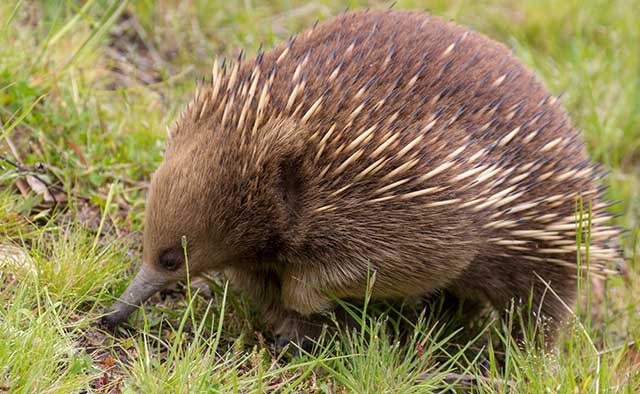
Image: Joachim van Soest via iNaturalistCC BY-NC 4.0