Feral deer numbers in Tasmania have grown rapidly, causing widespread damage to farms, native vegetation, and sensitive ecosystems. The measures currently proposed by the state government are positive but too limited to reverse the growth of the feral deer population.
Feral deer in Tasmania are undermining agricultural productivity, eroding conservation gains, and threatening landscapes that support Tasmania’s nature‑based tourism industry. The current management approach has not slowed this trend, and the Government’s 2025 Deer Management Policy Review proposes only modest steps to address the problem.
Most Australian jurisdictions (except Victoria) prioritise feral deer eradication, recognising the scale of damage they cause to landscapes and rural economies.
Economic analysis in South Australia found a 505% internal rate of return for a deer eradication program - showing the economic benefits of removing feral deer far outweigh the costs.
ALCA makes two headline recommendations, supported by additional measures:
Remove unnecessary permits for landholders
Agricultural landowners and conservation covenant holders should not need a permit or licence to destroy deer on their own land, except where the activity is solely for recreational hunting. This would remove administrative barriers and speed up control, and bring Tasmania into line with most other states.
Significantly increase and front‑load funding for feral deer eradication efforts
Ad hoc culling and recreational hunting cannot reduce deer numbers at the scale required. Coordinated, well‑resourced eradication programs are essential.
Further recommendations
- Designate all conservation areas, including national parks, as eradication zones (DMZ3).
- Apply eradication‑focused zones across the entire Tasmanian Wilderness World Heritage Area.
- Ensure buffer zones (DMZ2) sit between hunting zones (DMZ1) and protected areas.
- Allow year‑round take of all deer in all zones, removing seasonal and bag‑limit restrictions.
- Require annual reporting of deer taken to improve population monitoring.
- Support measures already proposed by Government, including allowing year‑round take of female deer, streamlining permits, enabling night‑time take (with safety controls), and preventing new deer farms in eradication and buffer zones.
If the state strengthens its management framework and invests in coordinated eradication efforts, Tasmania could reduce long‑term costs, protect nature‑based industries, and avoid the escalating environmental and economic impacts.
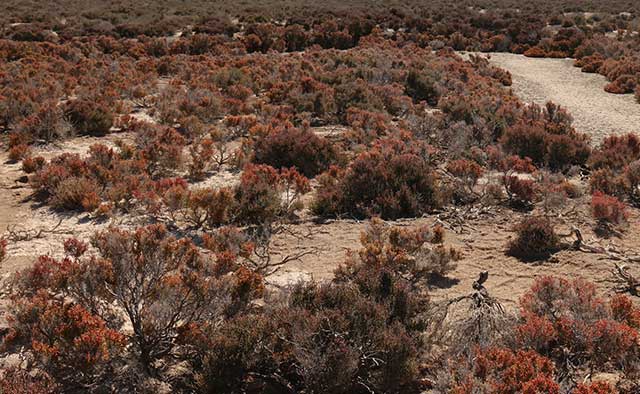
Image: Joachim van Soest via iNaturalistCC BY-NC 4.0