The Australian Land Conservation Alliance is urging the Tasmanian Government to strengthen its response to Tasmania’s escalating feral deer problem, warning that proposed policy reforms do not go far enough to protect agriculture, biodiversity, and the state’s nature-based economy.
Feral deer numbers in Tasmania have risen sharply in recent years, causing widespread damage to farms, native habitats, national parks and protected areas. Despite the growing impact, landholders still face unnecessary permit and licensing barriers to control deer on their own land, and government investment in coordinated, large-scale deer management efforts remains insufficient to reduce populations at the scale required.
ALCA has made a submission to the Tasmanian Government’s 2025 Deer Management Policy Review, currently open for public consultation. While welcoming steps to streamline permits, ALCA Policy Lead Michael Cornish said the proposed changes will not meaningfully reduce deer numbers or halt the mounting environmental and economic damage.
"Making it easier for landholders to act when deer are causing harm is positive, but it doesn’t go nearly far enough. The plan still prioritises recreational hunting interests over agriculture, biodiversity and the broader economy, maintains permit barriers for landholders that slow down effective control, and lacks serious funding for coordinated eradication.”
"If the state were genuinely prioritising agriculture, nature and the economy, deer would be treated like foxes – declared pests targeted for rapid and systematic elimination, rather than ongoing management to sustain hunting opportunities."
The review comes as the impacts of feral deer continue to intensify. Deer are undermining Tasmania’s agricultural productivity, conservation efforts on private and public land, and Tasmania’s nature-based tourism industry which depends on healthy landscapes and wildlife.
Tasmania needs a significant increase in government funding for coordinated deer eradication programs. Delaying meaningful action will significantly increase long-term costs for farmers, communities, taxpayers, and Tasmania’s tourism brand.
Dr Tiana Pirtle, Invasive Species Council Conservation Officer, said that Tasmania’s feral deer population has surged by more than 30 per cent in just five years.
"That growth is pushing deer deeper into national parks and the Tasmanian Wilderness World Heritage Area, putting species found nowhere else on Earth at real risk.
"While it is crucial that restrictions on deer harvest are removed, simply increasing ad hoc ground shooting by landowners or recreational hunters will not reduce deer numbers at the scale required.
"Tackling Tasmania’s growing deer population and protecting its environment, agriculture and tourism will only be achieved by coordinated, professional control based on evidence-based, strategic solutions.
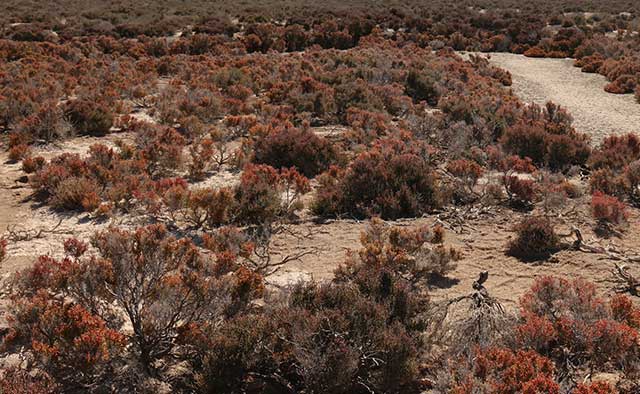
Image: Joachim van Soest via iNaturalistCC BY-NC 4.0