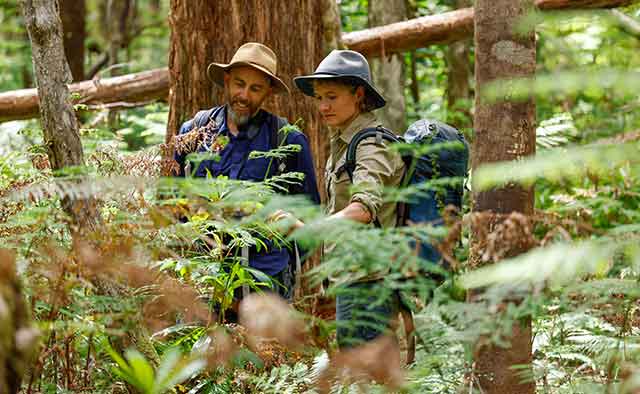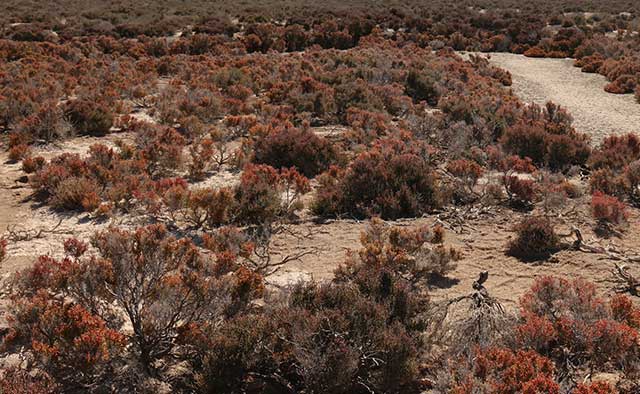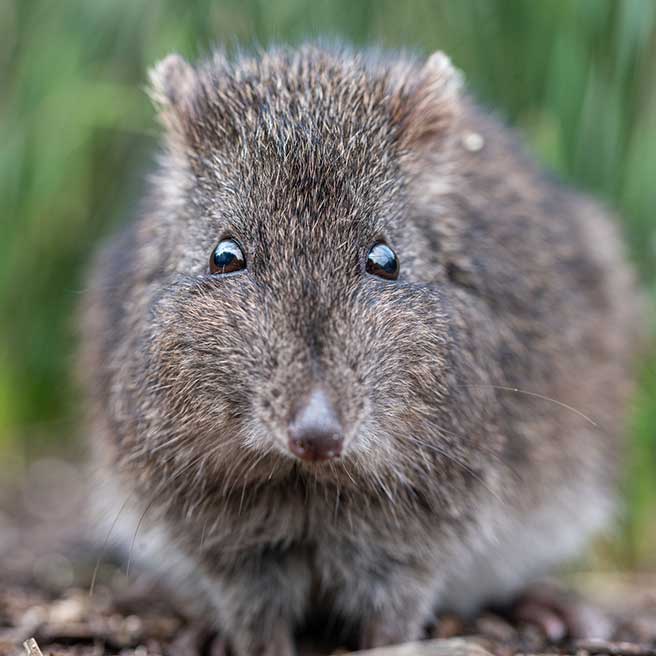
ALCA's new publication provides 23 recommendations on how to maximise the contribution of private land conservation to Australia's commitment to build our permanently protected area estate to 30% of Australia's land by 2030.
ALCA’s publication The private land conservation opportunity to deliver for 30 by 30 outlines 23 recommendations to maximise the contribution of private land conservation to Australia’s commitment to protect 30% of land by 2030.
The publication builds on the private land conservation pathway identified in Protecting Australia’s Nature: Pathways to protecting 30 percent of land by 2030, developed by the Australian Land Conservation Alliance in collaboration with The Nature Conservancy Australia, WWF-Australia and the Pew Charitable Trusts.
Privately managed land accounts for around 60% of Australia’s landmass. Because of this, achieving the 30 by 30 target will not be possible without the active participation of private landholders.
Private land conservation plays a critical role in:
- improving representation of under-protected ecosystems and bioregions
- protecting habitat for threatened species
- strengthening landscape connectivity, particularly in regions dominated by private land tenure
Many ecosystems most in need of protection occur primarily on privately managed land rather than within existing public protected areas. Expanding private land conservation therefore helps ensure Australia’s protected area system is comprehensive, adequate and representative.
The report highlights that participation by private landholders must remain voluntary and should support both environmental outcomes and the economic and social wellbeing of landholders.
To unlock the full potential of private land conservation, the publication sets out 23 recommendations focused on strengthening policy, funding, incentives and governance arrangements across jurisdictions.